Elephant Cancer Research Report
Elephants are very large animals, however contrary to common belief, Elephants are significantly less likely to develop cancer than other smaller mammals such as humans. Elephants have significantly more cells than other mammals, which on paper would make you think that they would be more likely to develop cancer. Why is this the case?
This brings us to a question: Do Elephants have biological mechanisms that protect them from developing cancer?
Elephants have evolved additional copies of tumor suppressor genes, particularly the TP53 gene, which enhances their ability to prevent cancer development.
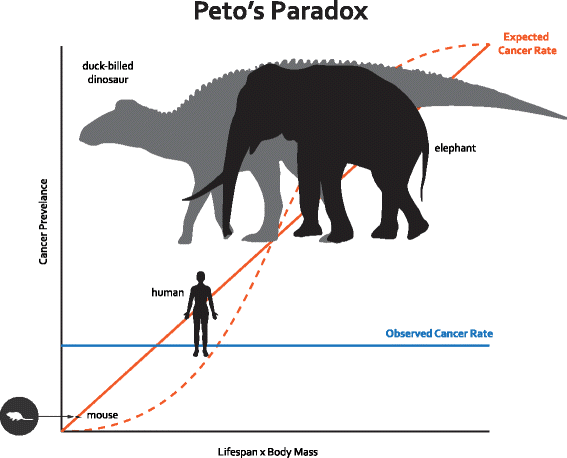
Peto's Paradox refers to the observation that larger animals with more cells do not have a higher cancer risk compared to smaller animals. This paradox suggests that larger animals have evolved enhanced cancer suppression mechanisms. In relation to our hypothesis, this paradox supports the idea that elephants may have evolved unique mechanisms to prevent cancer despite their large size.
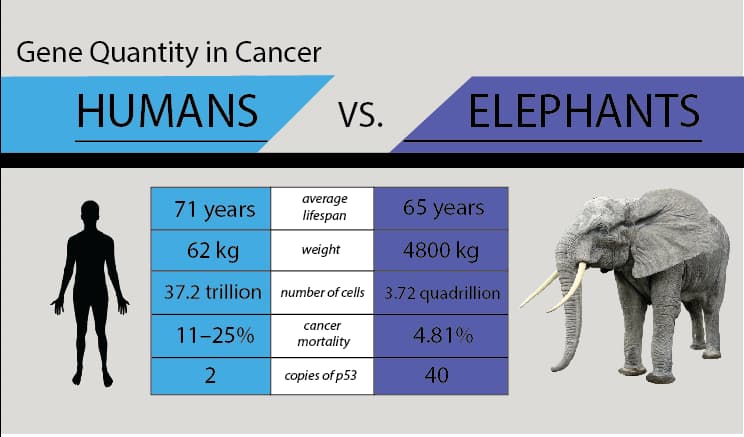
Elephants have been found to have 20 copies of the TP53 gene, compared to only 1 copy in humans. TP53 is a tumor suppressor gene that plays a key role in preventing cancer by regulating cell growth and triggering apoptosis (programmed cell death) in damaged cells. The amplification of TP53 in elephants suggests that they have evolved enhanced mechanisms for cancer suppression.
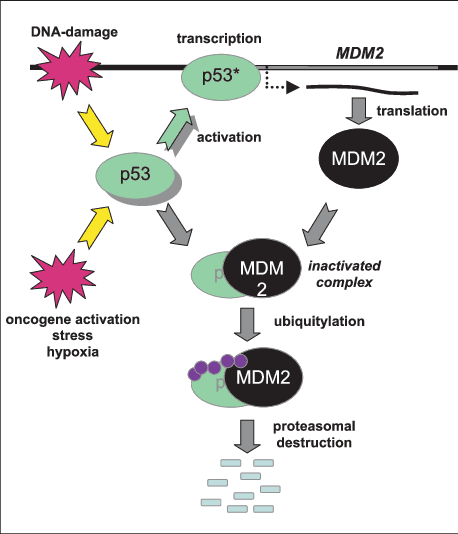
This research found that elephants have evolved unique p53 isoforms, which are variants of the TP53 gene that can escape the inhibitory effects of the MDM2 protein. Essentially, the elephants have been able to strike a better balance between the TP53 gene and the MDM2 protein, reducing cancer risk without unnecessary cell death in healthy tissues.
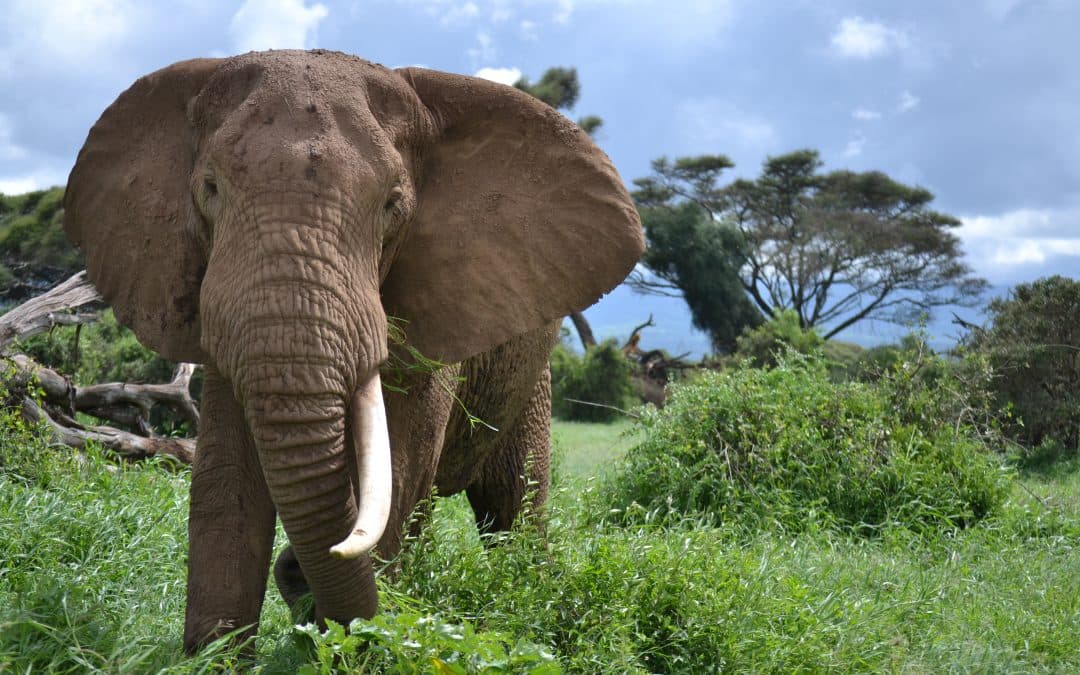
The study of cancer-resistant mechanisms in animals highlights the role of evolution in developing genetic defenses against cancer. While humans face unique challenges with cancer due to environmental and genetic factors, larger animals, like elephants, have evolved intricate mechanisms—such as additional copies of tumor suppressor genes—to counteract cancer risk. This evolution ensures their longevity and survival despite their size. Insights from these mechanisms provide a roadmap for developing novel therapeutic approaches to combat cancer in humans, leveraging nature's solutions to one of the leading causes of mortality.
- Small sample sizes in elephant studies due to limited availability of subjects
- Difficulty in conducting long-term cancer studies on long-lived species
- Potential confounding factors such as environmental differences between elephants in the wild and in captivity
- Challenges in extrapolating animal research findings to human cancer prevention and treatment
Based on the available evidence, it appears that elephants have indeed evolved enhanced mechanisms for cancer suppression, primarily through the amplification of the TP53 gene. This adaptation likely contributes significantly to their lower cancer incidence rates despite their large size and long lifespan.
Further research questions that have arisen include:
- How do other large mammals compare in terms of cancer resistance mechanisms?
- Can the insights from elephant cancer resistance be applied to human cancer prevention or treatment?
- What other genetic or physiological factors might contribute to cancer resistance in elephants?
- This research has been out for many years, without much progress in applying the findings. This implies that other people have looked into this path and determined at least for now that it is not a viable path to pursue. What are their reasons for not pursuing this path?